


Why Sustainable Landscape Design Benefits Everyone
As environmental expectations continue to influence how we design and develop outdoor spaces, sustainable landscape design has become an essential part of successful commercial and public realm projects.
Far more than a passing trend, sustainable landscaping delivers measurable benefits for businesses, communities, wildlife and future generations. From supporting Biodiversity Net Gain requirements to creating healthier, more resilient environments, sustainable design helps projects achieve lasting value long after construction is complete.
At Graduate Landscapes, sustainability is at the heart of our approach. Our commitment to environmentally responsible landscaping has been recognised through industry-leading awards, including Sustainability & Biodiversity Landscaping Company of the Year 2024. We have also contributed to nationally recognised projects such as the Knepp Wilding Project in West Sussex, helping create outdoor spaces where people and nature can thrive together.
What Is Sustainable Landscape Design?
Sustainable landscape design focuses on creating outdoor environments that work with natural systems rather than against them. The aim is to reduce environmental impact while improving ecological performance, long-term resilience and user experience.
A sustainable landscaping scheme may include:
- Native and climate-resilient planting
- Biodiversity enhancement measures
- Sustainable Drainage Systems (SuDS)
- Habitat creation
- Pollinator-friendly planting
- Water conservation strategies
- Naturalistic planting schemes
- Reduced maintenance requirements
The result is a landscape that supports wildlife, improves environmental performance and remains practical and cost-effective throughout its lifespan.
Supporting Biodiversity and Ecological Recovery
One of the most significant benefits of sustainable landscape design is its ability to increase biodiversity.
Across the UK, habitat loss remains one of the greatest challenges facing wildlife populations. Through thoughtful planting design and habitat creation, commercial developments can play an important role in reversing this decline.
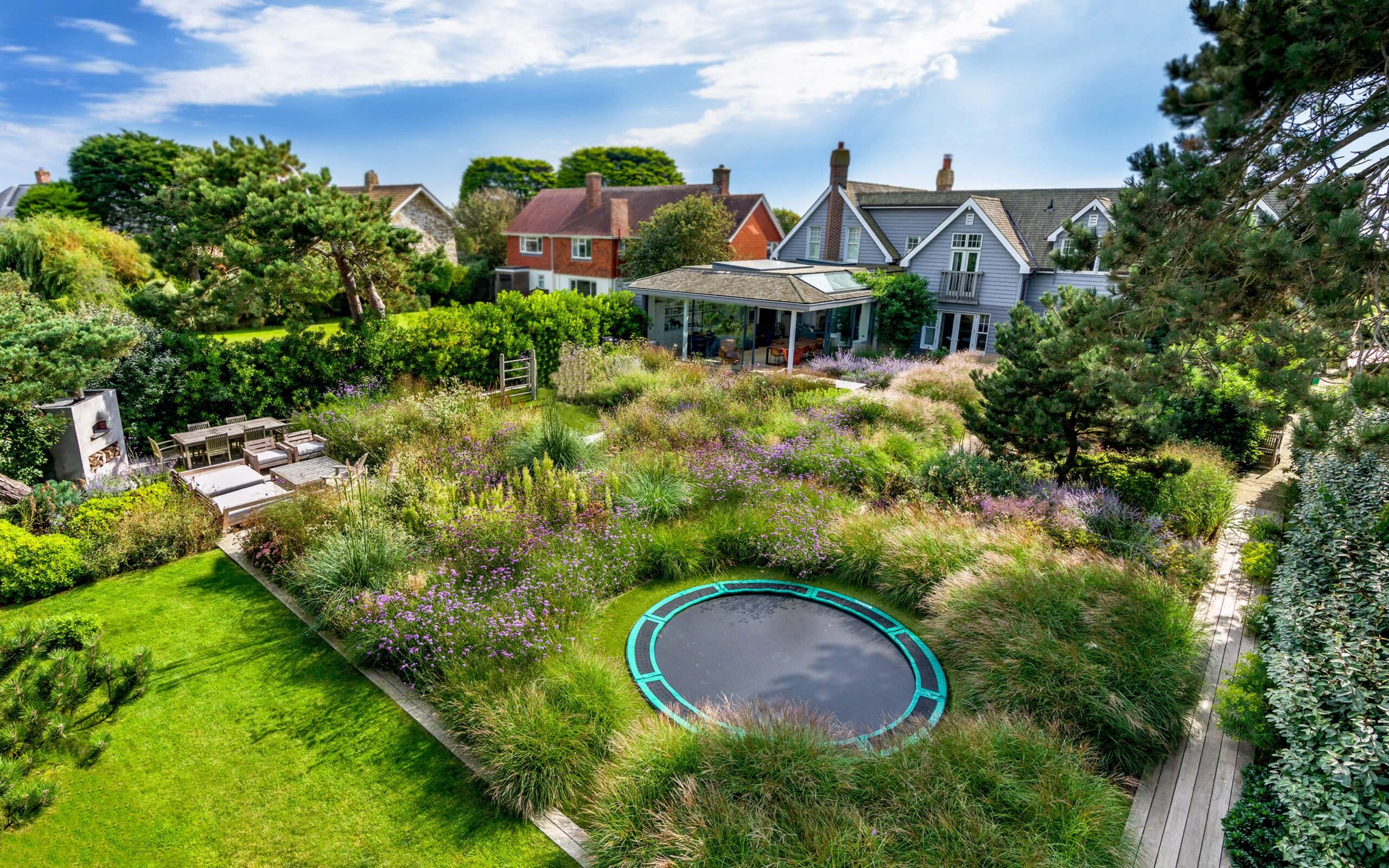
Wildflower meadows, native hedgerows, woodland planting, wetland habitats and pollinator-friendly planting schemes all provide valuable food sources and shelter for birds, insects and mammals.
These measures not only support wildlife but also help developments meet increasing environmental expectations from planners, local authorities and communities.
Biodiversity Net Gain and Sustainable Development
With Biodiversity Net Gain (BNG) now a key consideration for many developments, sustainable landscaping has become an important part of the planning process.
Developers are increasingly required to demonstrate how projects will leave the natural environment in a better condition than before development began.
By incorporating habitat creation, ecological enhancement and long-term management strategies from the outset, sustainable landscaping can help projects achieve BNG objectives while creating attractive and functional outdoor spaces.
Early involvement from experienced landscape professionals often leads to better environmental outcomes and more efficient project delivery.
Building Climate Resilience
As weather patterns become increasingly unpredictable, sustainable landscapes play an important role in helping developments adapt.
Strategic planting and green infrastructure can help:
- Reduce urban heat island effects
- Improve air quality
- Capture and store carbon
- Improve soil health
- Reduce surface water flooding
- Increase resilience during periods of drought
Nature-based solutions are now widely recognised as an effective way of addressing environmental challenges while delivering wider social and economic benefits.
Protecting Water Resources Through Sustainable Drainage
Water management is a key component of sustainable landscape design.
Sustainable Drainage Systems (SuDS) such as swales, rain gardens, attenuation basins and permeable paving help manage rainfall naturally, reducing pressure on traditional drainage networks.
These features can improve water quality, reduce flood risk and create valuable habitats for wildlife, all while contributing to the visual appeal of a development.
Benefits for Businesses and Developers
Meeting Environmental Expectations
Environmental performance has become a major factor in planning, investment and development decisions.
Businesses and developers are increasingly expected to demonstrate a commitment to sustainability, biodiversity and climate resilience.
Integrating sustainable landscaping from the earliest stages of a project helps achieve these objectives while creating developments that are more attractive to occupiers, visitors and stakeholders.
Reducing Long-Term Maintenance Costs
Sustainable landscapes are often designed to be more self-sufficient than traditional planting schemes.
By selecting suitable plant species and designing around natural processes, maintenance requirements can often be reduced without compromising appearance or functionality.
This can result in lower irrigation requirements, reduced chemical inputs and decreased long-term maintenance costs.
Strengthening Corporate Reputation
Customers, employees and investors increasingly value organisations that demonstrate genuine environmental responsibility.
High-quality sustainable landscaping can help reinforce environmental credentials while creating welcoming outdoor environments that support wellbeing and enhance the overall user experience.
Creating Healthier Places for People
The benefits of sustainable landscape design extend far beyond environmental performance.
Research consistently shows that access to well-designed green spaces can improve mental wellbeing, reduce stress and encourage physical activity.
Whether creating public realm schemes, education environments, healthcare facilities or commercial developments, green infrastructure helps create healthier and more enjoyable places for people to spend time.
Naturalistic planting and wildlife-friendly environments also provide opportunities for education and community engagement, helping people develop a stronger connection with the natural environment.
The Knepp Wilding Project: Sustainable Design in Practice
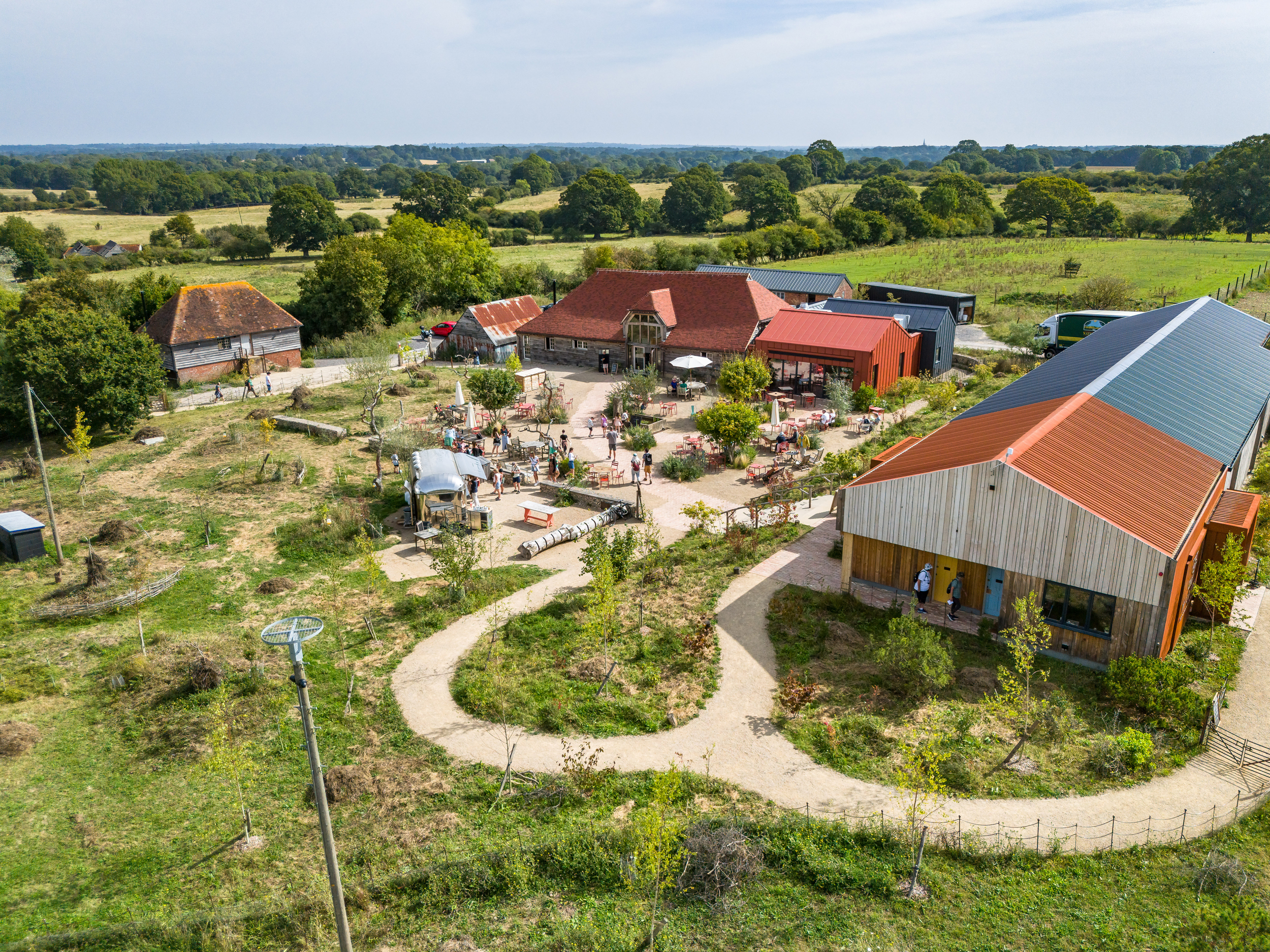
The Knepp Wilding Project in West Sussex is widely regarded as one of the UK’s most successful ecological restoration initiatives.
By allowing natural processes to drive environmental recovery, Knepp has transformed former agricultural land into a thriving mosaic of habitats that support an extraordinary range of wildlife.
Graduate Landscapes has been proud to contribute to works associated with this nationally recognised project, supporting a vision that places nature, biodiversity and environmental recovery at the centre of decision-making.
The success of Knepp demonstrates what can be achieved when landscapes are designed to support ecological processes. Populations of birds, insects and mammals have flourished, while the wider environmental benefits continue to attract attention from conservationists, planners, developers and policymakers.
The principles demonstrated at Knepp can be applied across commercial developments, public spaces and community projects throughout Surrey, Hampshire, Sussex, London and the wider South East.
Why Sustainable Landscape Design Is an Investment in the Future
Sustainable landscape design is about creating places that perform better environmentally, socially and economically.
From increasing biodiversity and supporting Biodiversity Net Gain to improving climate resilience and reducing maintenance costs, the benefits are extensive.
As organisations continue to prioritise sustainability and environmental responsibility, professionally designed green infrastructure will play an increasingly important role in successful developments.
With more than 30 years of experience delivering award-winning landscape projects, Graduate Landscapes helps clients create outdoor environments that balance aesthetics, functionality and long-term environmental value.
Our expertise has been recognised through national industry awards, including Sustainability & Biodiversity Landscaping Company of the Year and an RHS Gold Medal for innovative landscape design. These achievements reflect our belief that exceptional landscapes should support both people and nature.
Looking for Sustainable Landscaping Expertise?
Whether you are planning a commercial development, public realm improvement, education project or environmental enhancement scheme, Graduate Landscapes can help deliver sustainable landscaping solutions that create lasting value.
Contact our team to discuss how sustainable landscape design can support your next project and help achieve your environmental, commercial and community objectives.